Engineering

My Engineering Story

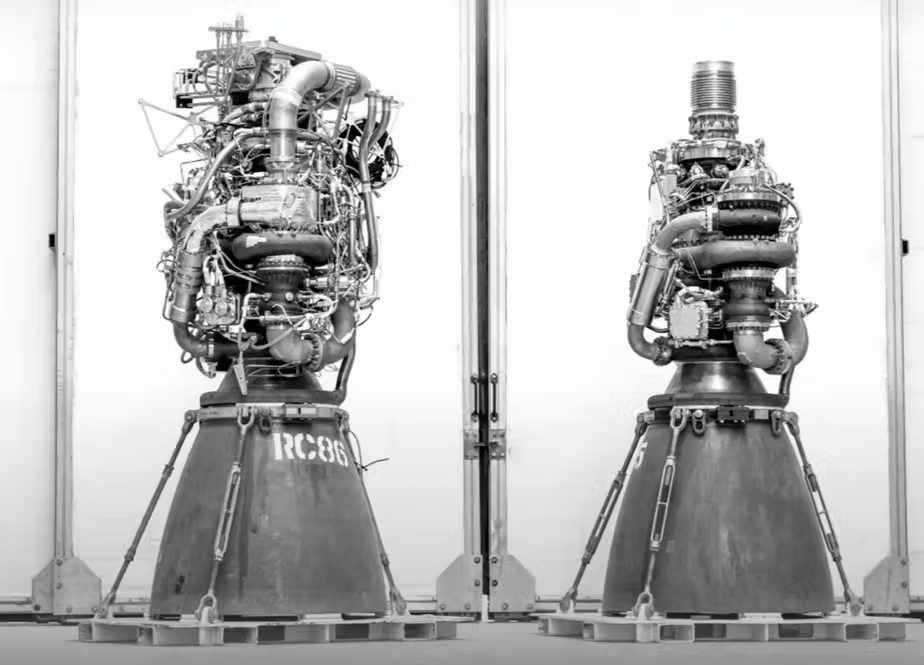
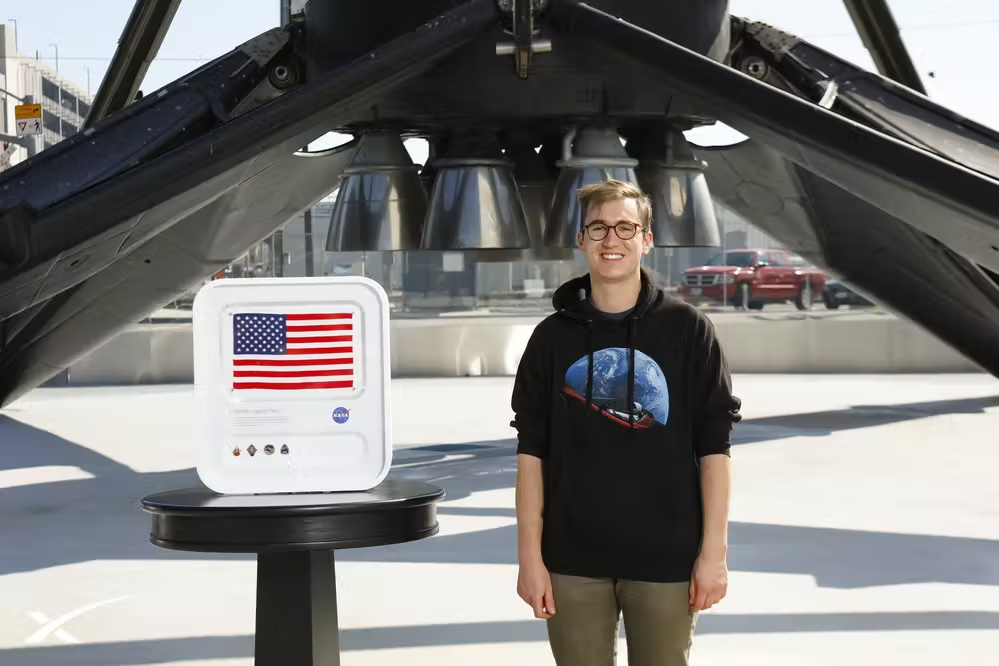
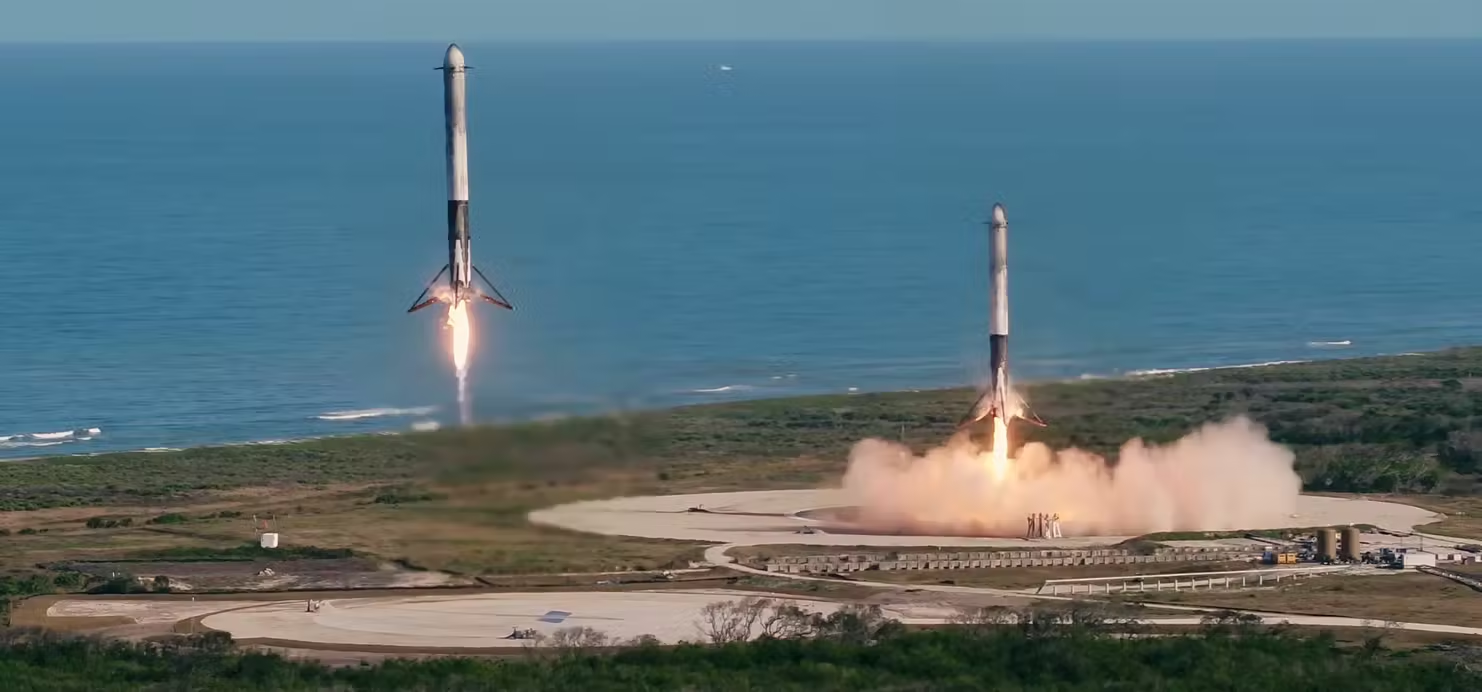
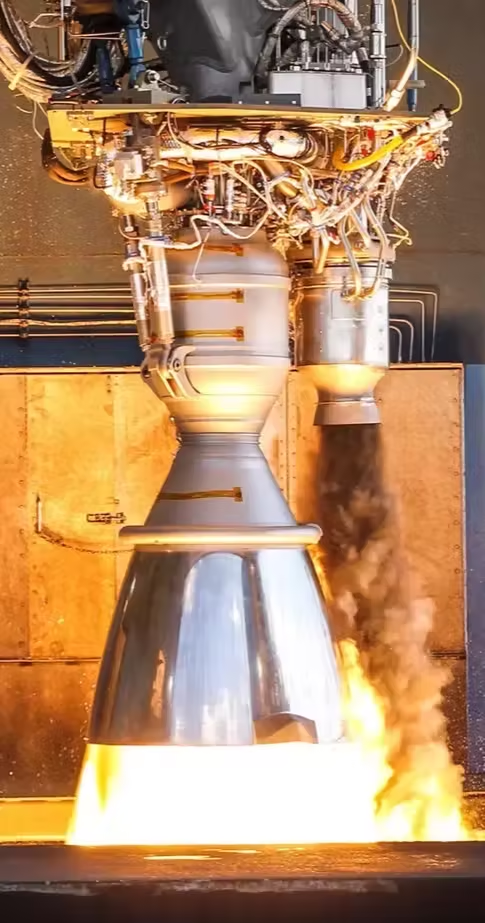
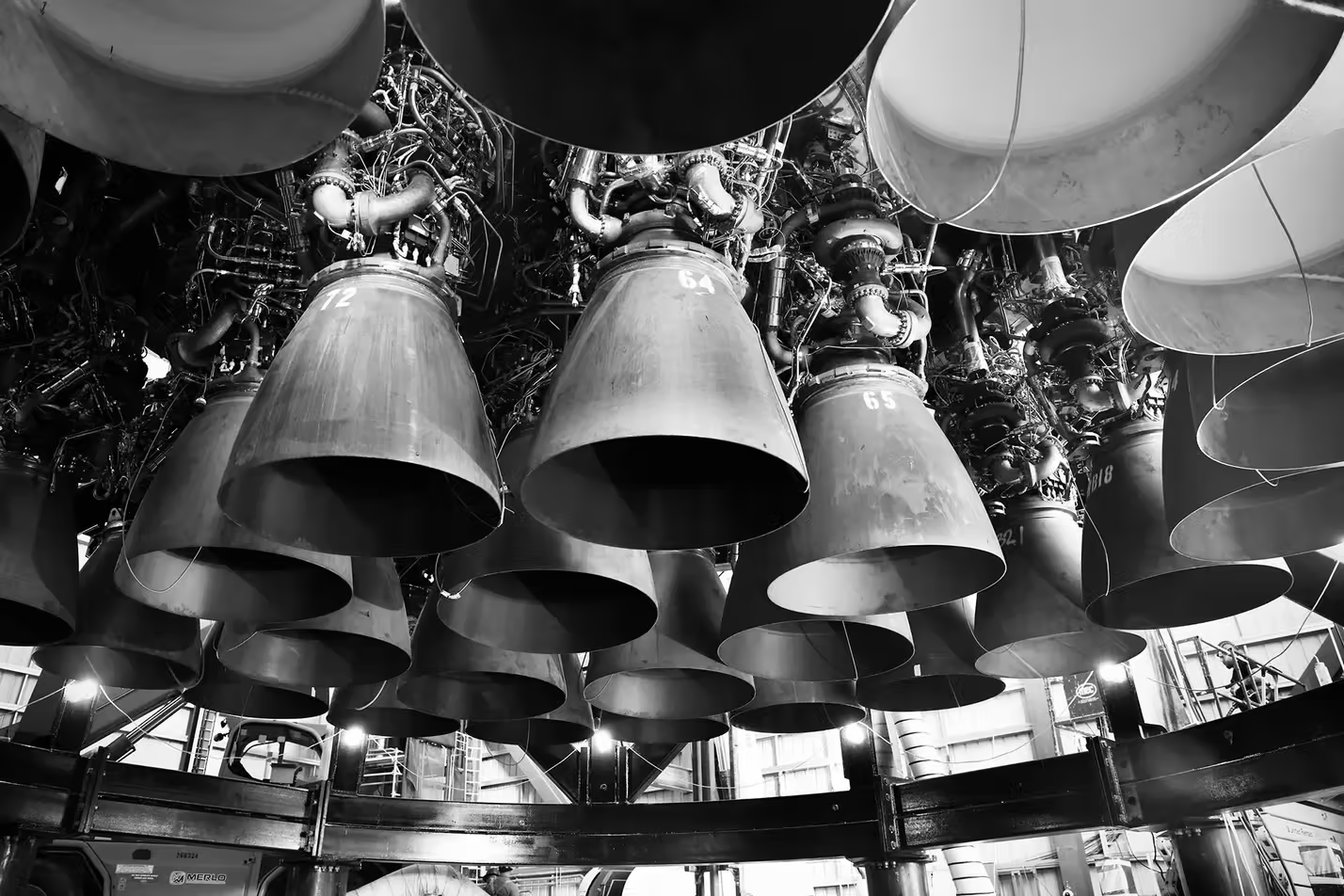
I am a mechanical engineer with a comprehensive background in aerospace manufacturing. During my tenure at SpaceX, working on propulsion subassemblies for the Merlin engine and Falcon launch vehicle positioned me to be a pivotal contributor to the development of the advanced Raptor engine utilized on Starship. I also played a crucial role in establishing the production system for Raptor, capable of delivering one reliable engine per day. Currently, I am in pursuit of my next meaningful engineering challenge. Specifically, I am interested in positions within the aerospace, energy, marine, climate change, and advanced manufacturing sectors.

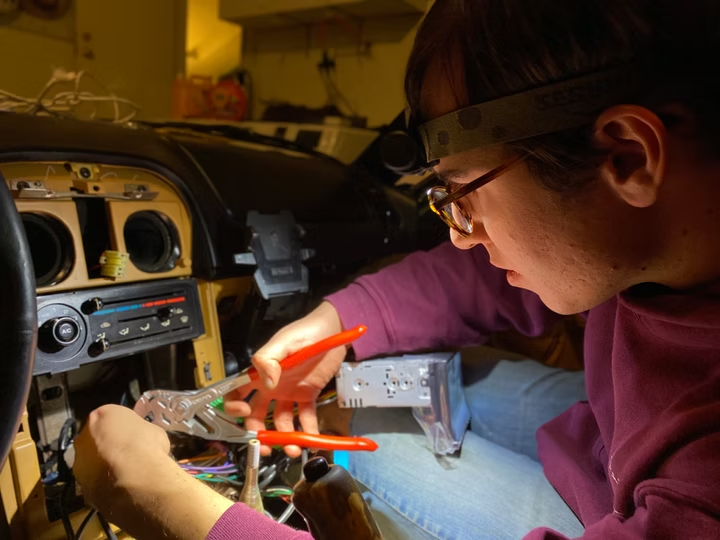
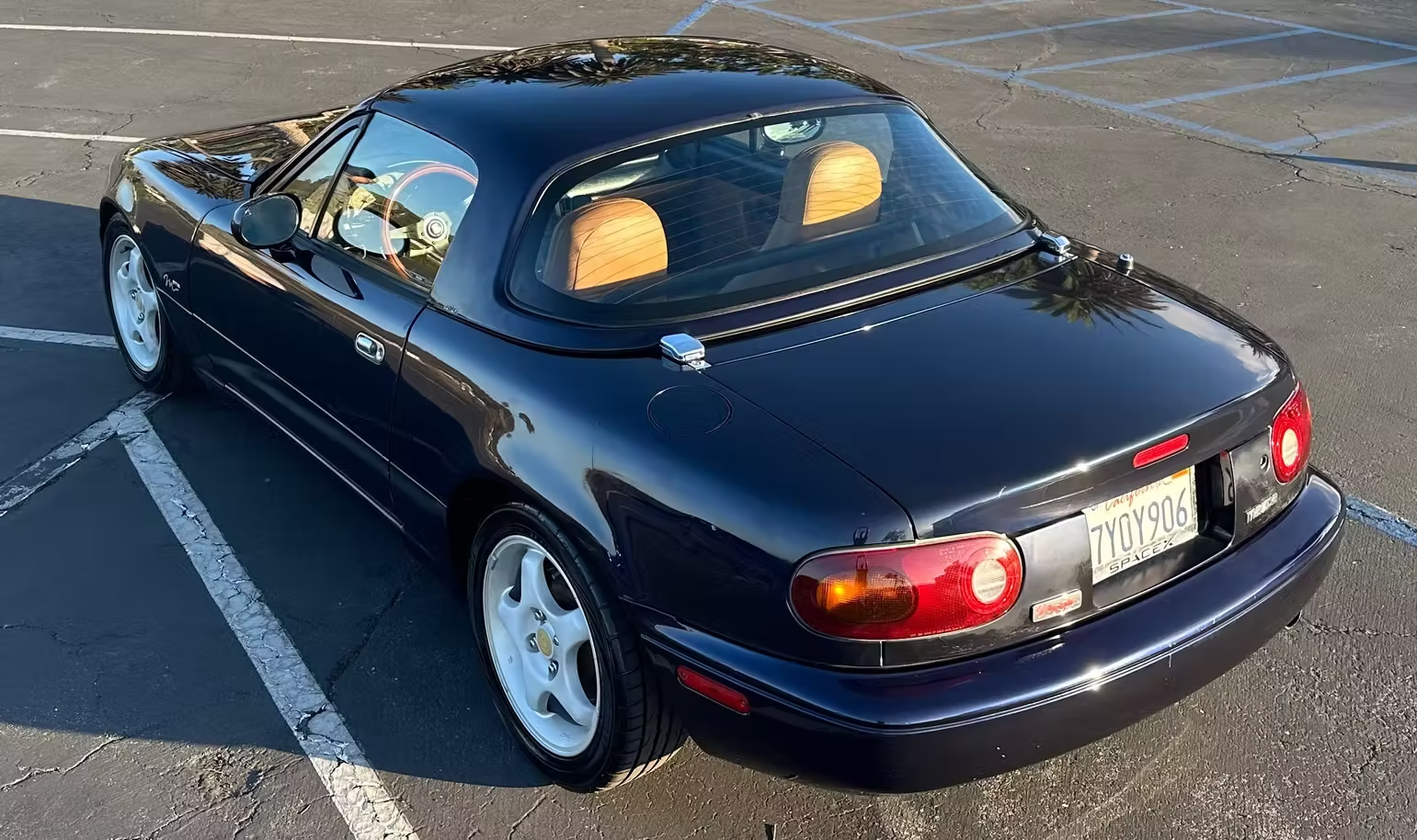
Photo from my engineering work

Key Skills 3

  • Design for manufacturability

  • High pressure fluid systems (up to 15,000psi)

    • Requirements determination

    • Design

    • Component selection

    • Schematic generation

    • Analysis

    • Build

    • Operation

    • Automation

    • Safety and redundancy

  • Deep aerospace process knowledge (see ‘Process Expertise’ section below)

  • Propulsion system development from concept to flight

  • CAD, drafting, GD&T

  • Safety audits

  • Design reviews

  • Extreme attention to detail

  • Factory design: facility requirements, floor layout, capacity studies, part flow

  • Workstation design & build

  • Tooling design & build

  • New product/process introduction

    • First article inspection

    • Equipment selection & maintenance plans

    • Personnel training & job hazard assessments

  • Hands on skills

    • Assembly

    • Leakage diagnosis & repair

    • Heavy equipment (forklift, boom lift, scissor lift)

    • Machining: bandsaw, manual mill and lathe, drill press, manual grinding

  • Inventory management

  • Statistical process control and selective inspection elimination

  • Experience from raw material to vehicle assembly level

  • Lean engineering & six sigma

  • Strong interpersonal & organizational skills

  • Root cause & corrective action

  • Containment & impact analysis

  • Continuous improvement

  • Production data analysis and reduction using SQL, Excel, PowerBI/Tableau

    • Setting metrics

    • Assigning priorities

    • Accelerating decision-making

    • Creating dashboards

    • Identifying opportunities for improvement of quality, cost, labor, lead time

  • Test campaign execution (development, qualification, acceptance test)

  • Risk management

  • Nonconformance resolution

  • Failure mode and effects analysis (process and design)

  • Failure & anomaly investigation

  • FOD risk study & prevention

Work Experience

SpaceX

Senior Propulsion Engineer

Raptor Valves
Jan 2022 - Nov 2022
11 months

I orchestrated a tight feedback loop among the design, production, and supply chain teams to facilitate the introduction of new valve designs, accelerate the production rate, and swiftly respond to failures by modifying both the design and process. My significant contribution to design reviews was bolstered by my experience in design-for-manufacturability. I was responsible for designing the process flow, workstations, build and test requirements, quality standards, and the inventory system. I conducted the first article build, implemented design changes, and trained the production staff on new builds. I also authored specifications that set the standards for design, production, and quality requirements, applicable both in-house and with our suppliers across the US.

My proactive approach in identifying and correcting design and process deficiencies prevented potential issues, enabling the seamless introduction of new designs at a high manufacturing rate. Beyond my primary roles, I trained others and led courses on high-pressure fluid system safety, extending my expertise not only to the Raptor department but also across the company, including the Environmental Health & Safety department. I supported the entire design cycle from concept to successful launch.

A critical factor in the success of Raptor 2 was the integration of valves and sensors from different parts of the engine into compact assemblies, which significantly reduced the part count. However, this integration made the valve assemblies more complex than before, presenting an intense yet rewarding challenge to consistently produce leak-tight valves daily.

SpaceX

Senior Manufacturing Engineer

Raptor Subassemblies
Nov 2020 - Jan 2022
1 year 3 months

I spearheaded the simplification and cost reduction of the Raptor ignition system, achieving significant improvements: an 80% reduction in overall part count, a 50% decrease in unique parts, and a 70% cost reduction. The strategy involved reevaluating system requirements, rapidly iterating through numerous design configurations, and eliminating unnecessary parts and processes wherever feasible. This posed a challenge in configuration management but enabled a swift transition from conceptual discussions to the hot-firing of physical hardware on an engine within a week. Adopting a ‘fail fast’ approach allowed us to validate ideas quickly, avoiding the lengthy process of extensive planning on paper.

Furthermore, I played a pivotal role in establishing a new production team and area, “Raptor Subassemblies.” Initially, as the sole manufacturing engineer, I worked closely with a team of approximately eight technicians. I established procedures, conducted training on various processes, and devised a quality system that efficiently addressed issues and reworks. This system facilitated the rapid movement of hardware through our resources without halting work.

With Raptor, SpaceX adopted a much higher risk posture in favor of moving quickly while the design is proved out. Leveraging my extensive experience in propulsion component manufacturing, I identified the minimum critical features and quality standards essential for our success, while not overburdening my team or our suppliers with the kind of requirements that mitigate the last 0.01% of risk. This acceptance of risk allowed us to meet aggressive deadlines and has been instrumental in the success of the program.

SpaceX

Manufacturing Engineer II

Propulsion Subassemblies (Merlin & Falcon)
Jun 2018 - Nov 2020
2 years 6 months

While producing components for the Raptor engine shares theoretical similarities with those for the Merlin engine, the stakes are significantly higher with Merlin due to its role in launching astronauts since 2020. This requires accepting much less risk, and has made Falcon, powered by the Merlin engine, the most launched and safest U.S. rocket in history.

The experiences of working on the Merlin versus the Raptor engines were starkly different, akin to jazz music where one must master the rules before bending them. My tenure with Merlin involved understanding the foundational manufacturing rules of human spaceflight, rules that have evolved since the 1950s with Project Mercury.

In my role, I was the primary and at sometimes the sole manufacturing engineer for a high-mix, medium-volume resource, managing around 100 unique assemblies and approximately 300 piece parts with active demand weekly. Our resource’s focus was on machined fluid components, overseeing their cleaning, assembly with valves and sensors, pressure testing, and inspection prior to integration. I also managed some welded fluid components and structures. My responsibilities encompassed product sustainment, addressing nonconformities while making slight tweaks to the design and process, along with occasional new product introductions. Every proposed change and nonconformance ticket went through a scrupulous review process both internally and with NASA, requiring me to develop bulletproof rationale for all of my decisions. I engaged with multidisciplinary teams across production, purchasing, quality, and more, including external suppliers throughout the US.

I updated and signed over 100 engineering drawings, 300 build instructions, and 1,500 nonconformance tickets for more than 250 unique parts. I authored process specifications that set the standards for process and quality across numerous parts, both in-house and with suppliers. My expertise in aerospace processes, design for manufacturability, GD&T, and data analysis using Excel/SQL was instrumental in identifying key process improvement opportunities.

As a versatile engineer, my overarching goal was to ensure the continuity of production. My work scope varied greatly, adapting to the evolving demands of our customers and the supply chain.

SpaceX

Propulsion Test Engineer

Merlin
Jun 2017 - Jun 2018
1 year

I designed, built, operated, and troubleshot test systems for various manufacturing processes, including structural components, high-pressure fluid systems, thermal control systems, instrumentation, and software. I created piping and instrumentation diagrams (P&IDs) using Visio for both new and existing fluid and electrical systems in production. To ensure the safety of test technicians, I conducted Process Failure Mode and Effects Analysis (PFMEA) and Design Failure Mode and Effects Analysis (DFMEA), carried out regular maintenance, audited current systems, and wrote Job Hazard Assessments (JHAs).

I engineered high-energy gas systems capable of withstanding pressures up to 10,000 psi, incorporating multiple fault tolerances. Challenging established norms, I reevaluated testing requirements and criteria from first principles. I also analyzed and condensed pressure testing and dimensional data using SQL and Excel to spot trends and pinpoint the root causes of anomalous fluid behavior.

I managed containments to isolate, inspect, and rectify potential nonconformities in parts, both before and after assembly, informed by comprehensive data analysis. I automated test plans to streamline testing procedures. Additionally, I developed and taught a “Fluid Systems 101” course to the production staff, covering topics from the kinetic molecular theory of gases to component selection and system design.

Vanderbilt University

President, Fabrication Lead

Aerospace Design Lab
Aug 2016 - Jun 2017
11 months

Collaborating with a team to devise innovative and resourceful solutions to complex challenges is something I deeply enjoy, and the Vanderbilt Aerospace Design Lab was the perfect setting for such collaboration.

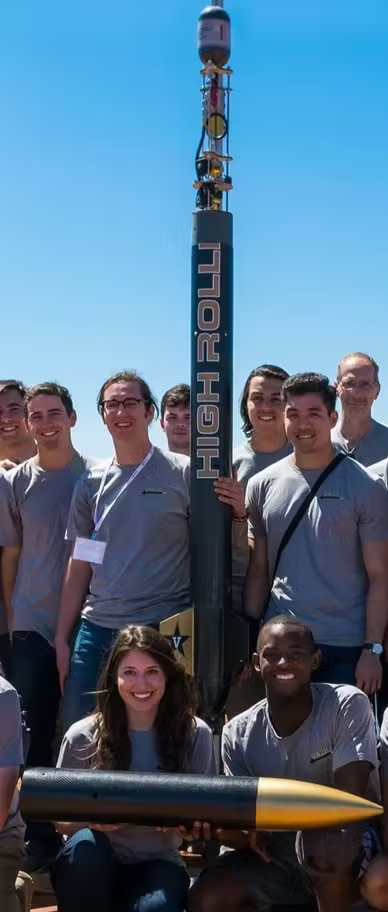
In my tenure as president from 2016 to 2017, I led our 15-member team with a systems engineering approach. Within months, we designed, constructed, tested, and launched two 3-4 meter L-class carbon fiber rockets. These rockets featured a cost-effective cold-gas thruster system for roll control after the main engine cut-off (MECO). My roles were multifaceted: besides serving as president and contributing to the thruster system’s design, I was also the fabrication lead. I oversaw the production of our carbon fiber airframe and the custom machining of aluminum and steel parts for flight. This hands-on leadership role enabled me to closely monitor the integration of each subsystem, ensuring seamless operation as a unified entity.

Vanderbilt University

Teaching Assistant (TA)

Fluid Mechanics
Aug 2016 - Dec 2016
5 months

I served as a paid teaching assistant for a third-year mechanical engineering course, dedicating 12 hours per week to this role alongside my studies and contributions to the aerospace design lab. My responsibilities included grading homework and exams, assisting students with their queries, and conducting review sessions to reinforce course material.

Smith Seckman Reid

Mechanical Engineering Intern

May - Aug 2015
Jan - March 2016
7 months

SSR is a Mechanical-Electrical-Plumbing (MEP) Engineering Firm renowned for its expertise in large commercial structures, including sports arenas and hospitals. During my internship with the HVAC team, I contributed to several projects, one notable example being the Golden State Warriors Arena. My involvement spanned various development stages, including initial sizing and bidding, zoning, unit selection, and the integration of units within architectural models. I also worked on clash detection and resolution within the model, along with the creation of construction schematics. My work adhered to LEED and ASHRAE standards, ensuring regulatory conformance, sustainability, and efficiency in building designs. Additionally, I leveraged Excel to automate numerous company processes, significantly enhancing workflow efficiency across the organization.

Process Expertise

I’ve been responsible for setting up and maintaining over 20 unique manufacturing processes, and have solved thousands of nonconformances with these processes, using each instance as an opportunity to redefine the design, procedure, and quality requirements.

  • Pressure testing

    • Proof

    • Leak

    • Flow

    • Functional

    • Burst

  • Inspection

    • Cleanliness

    • Borescope

    • Visual criteria

    • Damage criteria

    • Dimensional (CMM, manual, go/no-go)

  • Weld

    • TIG
    • EB
  • Weld inspection
    • Visual
    • Penetrant
    • Ultrasonic
  • Braze
  • Heat treat
  • Finishing & precision deburring
  • Precision cleaning
  • Packaging
    • FOD prevention
    • Damage prevention
  • Coatings & surface treatment

    • Anodize

    • Chemfilm (chromate conversion)

    • Lubrication

    • Passivation & pickling

  • Insulating

  • Assembly

    • Visual work instructions

    • Torque requirements

    • Press fits

    • In-process inspection

  • Laser engraving & part marking

  • Sealing surface and thread repair

Education

2013-2017

Vanderbilt University

Nashville, TN, USA

Major: Bachelor of Engineering, Mechanical Engineering

Minor: Engineering Management

GPA: 3.62 (Overall)

3.83 (Mechanical Engineering)

Award: Department of Mechanical Engineering Leadership Award

Presented to an outstanding senior who has

shown the most promise through his engineering,

management, and leadership skills.

Leadership Positions:

Aerospace Design Lab: President (‘16-‘17)

Outreach Coordinator (‘15-‘16)

American Institute of Aeronautics & Astronautics, AIAA: President (‘16-‘17)

American Society of Mechanical Engineers, ASME: Secretary (‘15-‘17)

US DoE Solar Decathlon: President (‘14-‘15)

Design Studio: Mentor (‘14-‘17)

Innovation & Entrepreneurship Society: Recruitment Lead (‘16-‘17)

Events Coordinator (‘15-‘16)

2016

Politecnico di Torino

Torino, Italy

Semester Abroad

Studied: Thermal & Hydraulic Machines, Fluid Power, Company Economics, and Italian Language

Want to talk engineering?
I’m open for work!

Get in Touch!

Currently based in Los Angeles, California.

divederek@gmail.com